
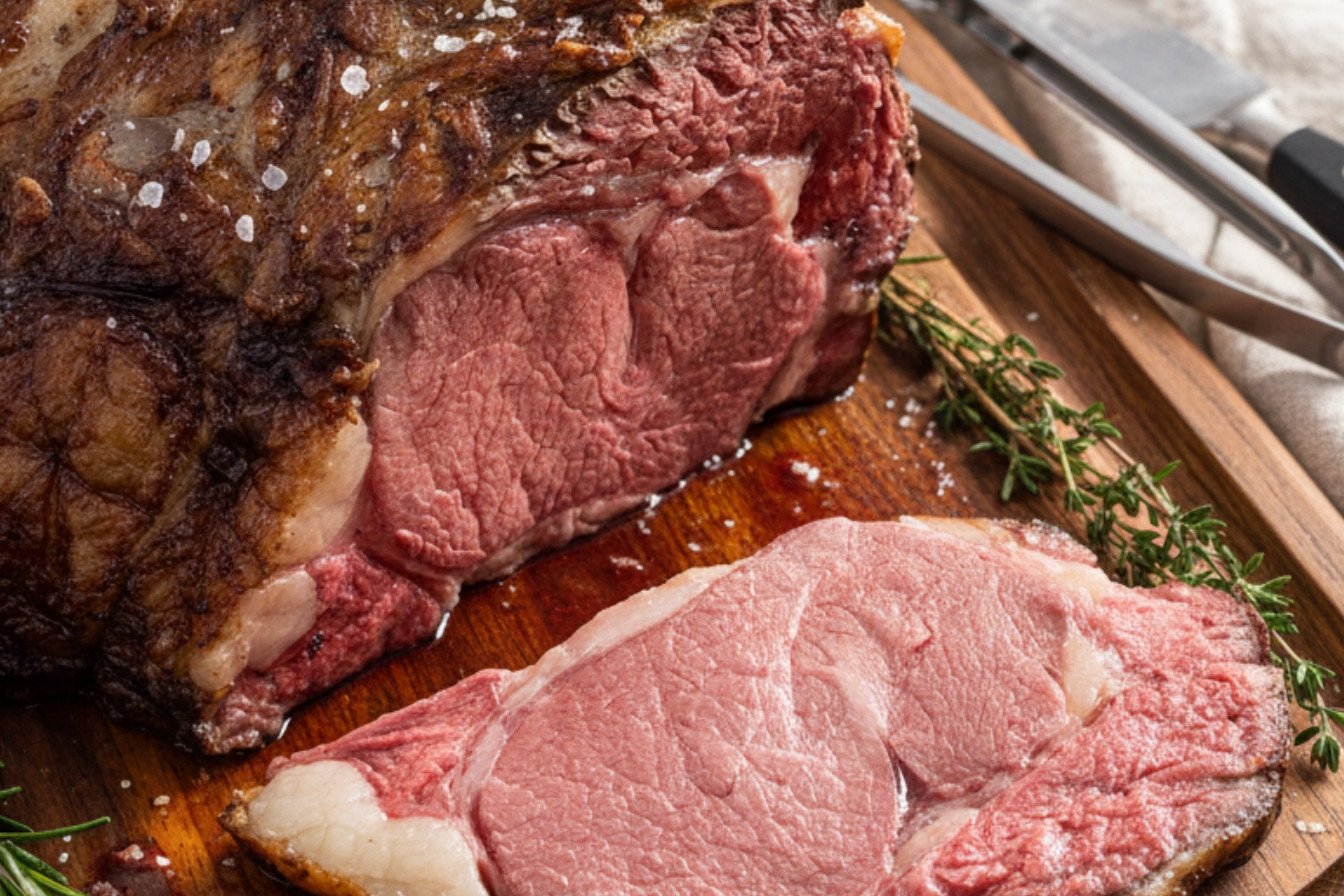
The Heart of the Meal
A big roast is a hug for your whole table. It says a special day is here. I love the quiet promise of it resting in the fridge.
This recipe takes time. But most of it is the oven doing the work. You just get it ready. That first step with the salt is so important. It makes the meat tender and tasty all the way through. Why does this matter? Because flavor should be in every single bite, not just on the outside.
A Little Story About Patience
My grandson once asked, “Grandma, is it done yet?” He asked five times! I still laugh at that. Good things cannot be rushed.
That’s what the sous vide bath is for. The warm water cooks the roast gently for hours. It comes out perfectly pink from edge to edge. No guesswork! Have you ever tried a long, slow cook like this? Tell me what you made.
The Magic of Two Cooks
First, we cook for tenderness inside. Then, we cook for flavor outside. The hot skillet sear gives us that beautiful brown crust. Doesn’t that smell amazing?
We tie the meat back to its bones for the bath. Fun fact: Cooking meat on the bone adds a deeper, richer flavor to the meat itself. It’s like the bone shares its goodness. After the bath, a quick broil makes the fat cap crispy. That contrast is everything. Tender inside, crispy outside.
Why We Do It This Way
All these steps have a reason. Salting days ahead pulls moisture to the surface. That moisture dries, and the salt goes deep into the meat. This seasons it perfectly.
Why does this matter? It turns a good piece of meat into a great one. It shows care. Do you think the extra days of waiting are worth it? I’d love to know your thoughts.
Your Turn at the Table
Let the roast rest after the broiler. Then, slice it thin. The bones come off easily now. You can save them for soup!
Serve it with simple things. Maybe some mashed potatoes to catch the juices. What is your favorite side dish with a special roast? Share your family’s classic with me. Seeing it on the table, warm and ready, is the best feeling. It brings everyone together.
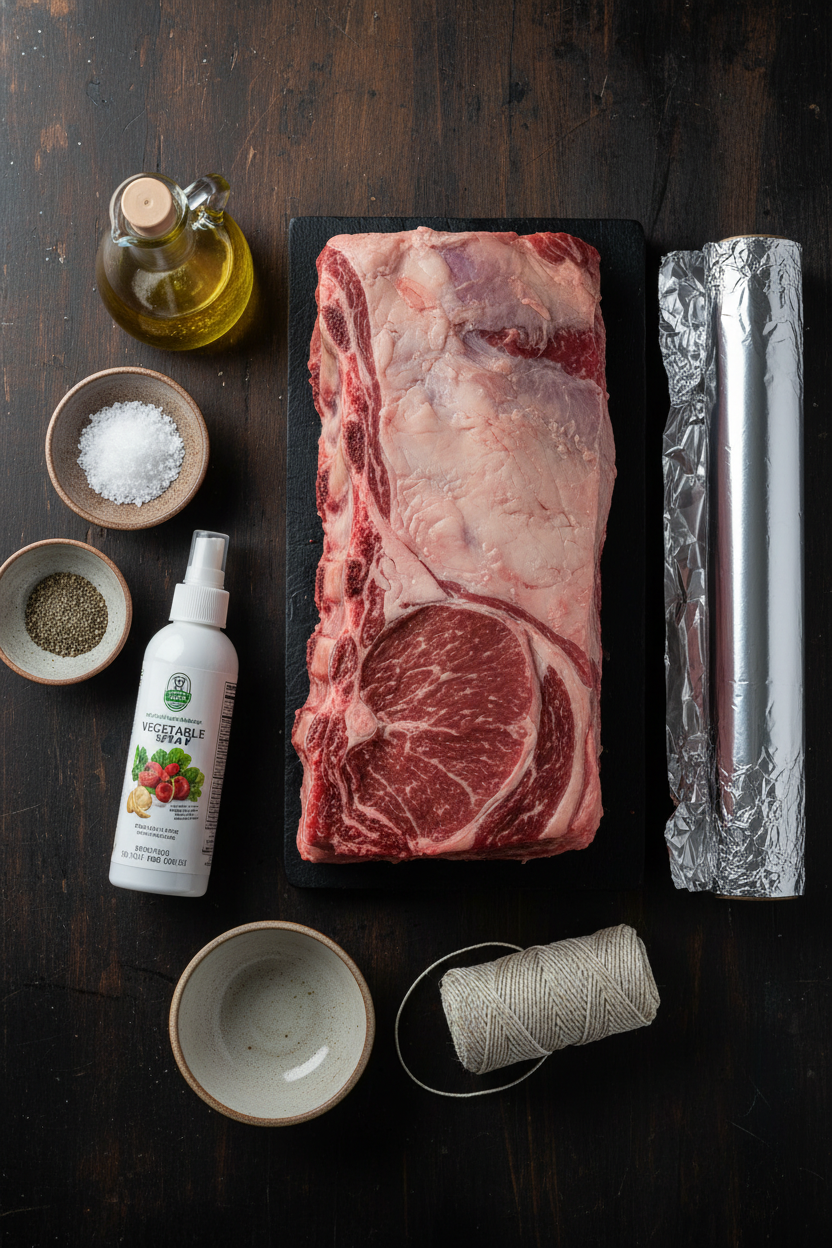
Ingredients:
| Ingredient | Amount | Notes |
|---|---|---|
| First-cut beef standing rib roast | 7 pounds (3 bones) | |
| Kosher salt | As needed | For generously rubbing the roast |
| Black pepper | As needed | For seasoning before sealing |
| Vegetable oil | 1 tablespoon | For searing |
| Vegetable oil spray | As needed | For the rack/baking sheet (optional) |
Instructions
Step 1: First, take your sharp knife. Carefully cut the meat away from the bones. Keep those bones, now. Score the fat on top in a little criss-cross pattern. Rub salt everywhere, even in the little cuts. Put the meat back on its bones. Let it sit in your fridge, uncovered, for a few days. This makes the flavor so deep and wonderful. (A sharp knife is your best friend here. It makes this job safe and easy.)
Step 2: Next, get your sous vide machine ready. Fill a big pot with water. Set the temperature to 133 degrees. Let the water get nice and warm. I love how precise this is. It takes all the guesswork out. The machine will hum along quietly. What’s your favorite kitchen gadget? Share below!
Step 3: Time for a quick sizzle! Take the meat off the bones again. Heat oil in a pan until it’s very hot. Sear every side of the roast until it’s a beautiful brown. Let it cool a bit. Then, tie it back onto its ribs with some kitchen twine. I still laugh at my first messy tying job. It gets easier, I promise.
Step 4: Now, season the tied roast with pepper. Put it in a special bag. Use your vacuum sealer to get all the air out. Clip the bag to the side of your warm water bath. Cook it for a long, slow time. (If a little air bubble pops up, just reseal that spot.) This long bath makes the meat incredibly tender.
Step 5: Last steps! Turn your broiler on high. Put the cooked roast on a rack over a pan. Pat it very dry. Crumple some foil to prop up the ribs. This angles the fat cap just right. Broil it until the top is crispy and perfect. Doesn’t that smell amazing? Let it rest a little before you slice.
Creative Twists
You can make this recipe your own. Try a simple coffee rub for a deep, earthy flavor. Just mix fine ground coffee with brown sugar and salt. Or, add fresh herbs under the twine before sealing. Rosemary and thyme are my favorites. For a special occasion, make a red wine glaze to brush on after broiling. It adds a lovely, shiny sweetness. Which one would you try first? Comment below!
Serving & Pairing Ideas
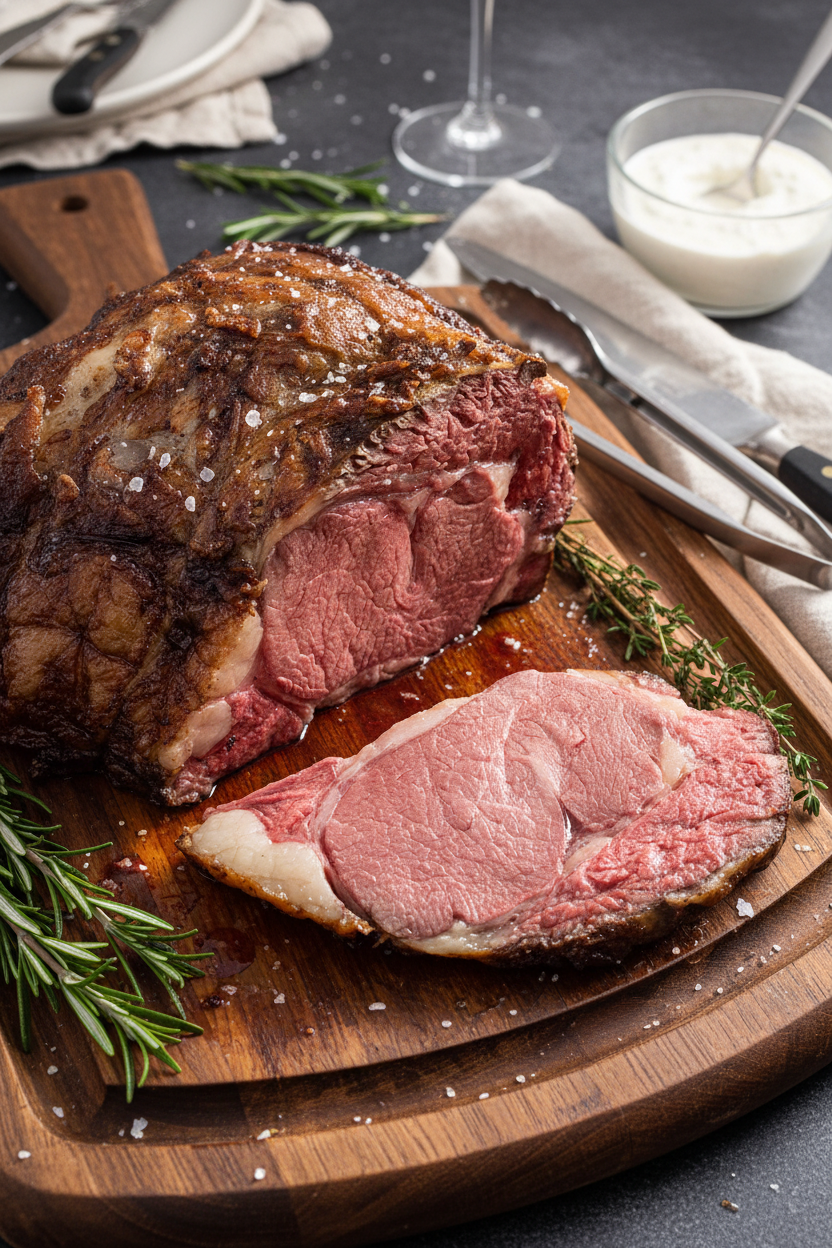
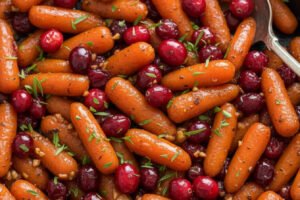
This roast deserves great company. I love it with creamy mashed potatoes and crispy roasted carrots. A simple green salad cuts the richness nicely. For a drink, a glass of bold Cabernet Sauvignon is a classic choice. For the kids, a sparkling apple cider feels just as festive. Pour it in a fancy glass. Which would you choose tonight?
Keeping Your Prime Rib Perfect
This roast makes wonderful leftovers. Let it cool completely first. Then slice what you need for the week.
Wrap the slices tightly in plastic wrap. Place them in a freezer bag. They will keep for three months. Thaw slices in the fridge overnight.
To reheat, use your sous vide machine. Set it to 130°F. Warm the slices for 30 minutes. This keeps them juicy. I once used a microwave. It made the meat tough and sad.
Batch cooking saves time for big holidays. It also gives you easy meals later. A planned meal is a gift to your future self. Have you ever tried storing it this way? Share below!
Three Little Hiccups and How to Fix Them
First, the bag might float. Just clip it well to the container’s side. Use a heavy spoon to weigh it down. I remember when my bag bobbed like a toy boat.
Second, the sear might not be crispy. Pat the roast very dry first. Your skillet must be screaming hot. This creates a delicious crust full of flavor.
Third, the meat might look gray after cooking. Do not worry. The hot broiler will fix that. It gives you that beautiful, browned finish we love. Getting these steps right builds your cooking confidence. It turns good food into great food. Which of these problems have you run into before?
Your Quick Questions, Answered
Q: Is this recipe gluten-free? A: Yes, it is naturally gluten-free. Just check your seasoning labels.
Q: Can I make it ahead? A: The salting step is your make-ahead secret. Do it 1 to 4 days before cooking.
Q: Can I use a different cut? A: A boneless ribeye roast will work well. Just skip the bone steps.
Q: Can I make a smaller roast? A: Yes, you can. Just reduce the cook time by a few hours.
Q: Any optional tips? A: Add fresh herbs to the bag before sealing. Rosemary or thyme are lovely. *Fun fact: This long, gentle cook makes even less expensive cuts tender.* Which tip will you try first?
From My Kitchen to Yours
I hope you feel ready to try this special meal. It seems like a lot of steps. But each one is simple and important.
Cooking is about sharing love and good stories. I would love to hear yours. Tell me about your family dinner or your own kitchen adventures. Have you tried this recipe? Let me know how it went in the comments.
Happy cooking!
—Fiona Brooks.
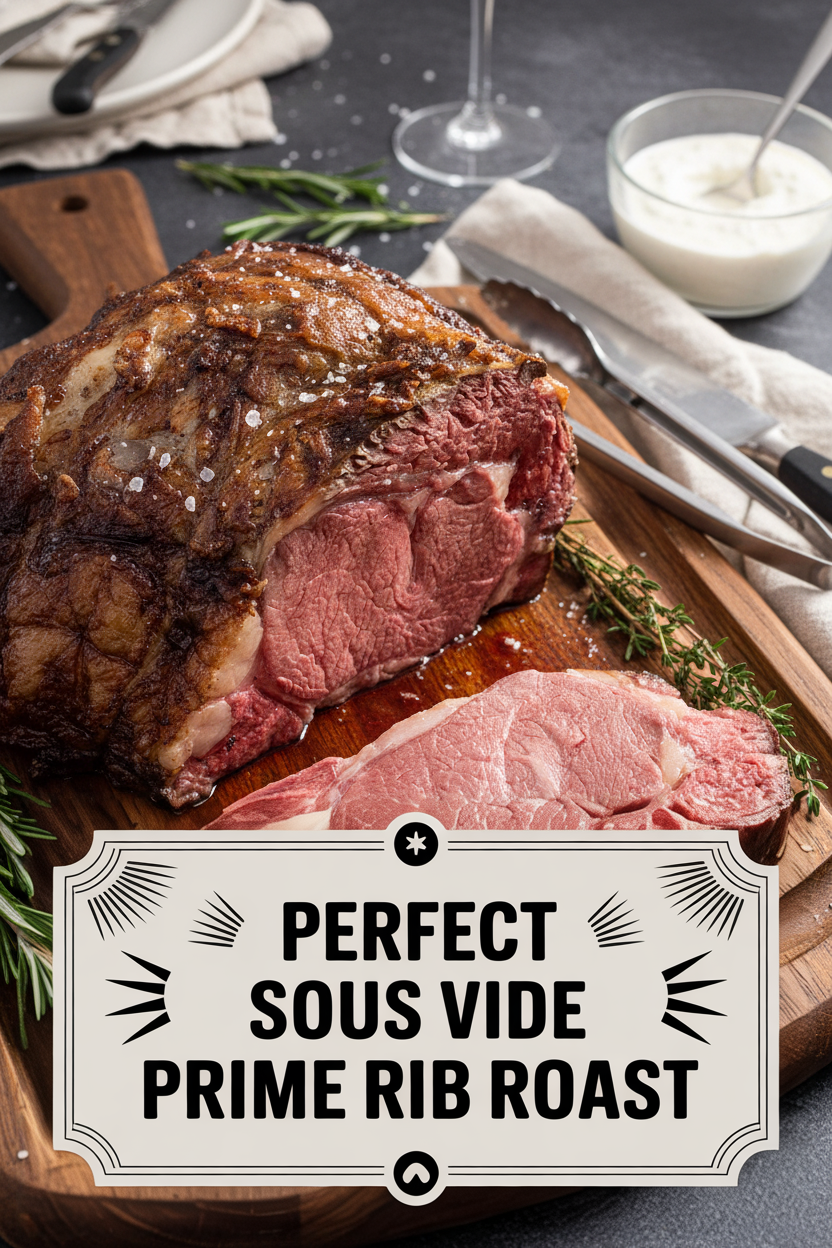
Perfect Sous Vide Prime Rib Roast
Description
Achieve a perfectly cooked, tender, and juicy prime rib roast with a crispy, flavorful crust using the sous vide method.
Ingredients
Instructions
- First, separate the bones from the roast by carefully slicing along their contours with a sharp knife; keep the bones. Score the fat cap in a 1-inch crosshatch pattern, cutting down to the meat without piercing it. Generously rub salt all over the roast, including into the slits. Place the meat back onto the reserved bones, set on a plate, and refrigerate uncovered for 1 to 4 days.
- Preheat a water bath to 133°F (56°C) using a sous vide circulator.
- Remove the meat from the bones. In a very hot skillet with oil, sear all sides of the roast except the bone side until well-browned. Let it cool for 10 minutes, then place it back onto the ribs, securing them together with kitchen twine.
- Season the tied roast with pepper and vacuum-seal it in a large freezer bag, removing all air. Submerge it in the water bath, clipping the bag to the container’s side. Release any trapped air bubbles, reseal, and cook for 16 to 24 hours.
- Preheat the broiler. Place the cooked roast on a wire rack set over a foil-lined baking sheet. Let it rest, then pat it dry. Prop up the ribs with a foil ball to angle the fat cap. Broil until the surface is crispy and browned.
- Let the roast rest briefly on a carving board. Remove and discard the bones. Slice the meat and serve.
Notes
- For best results, dry-brine the roast for the full 4 days. The long sous vide cook time ensures edge-to-edge medium-rare doneness and maximum tenderness.





Leave a Reply