
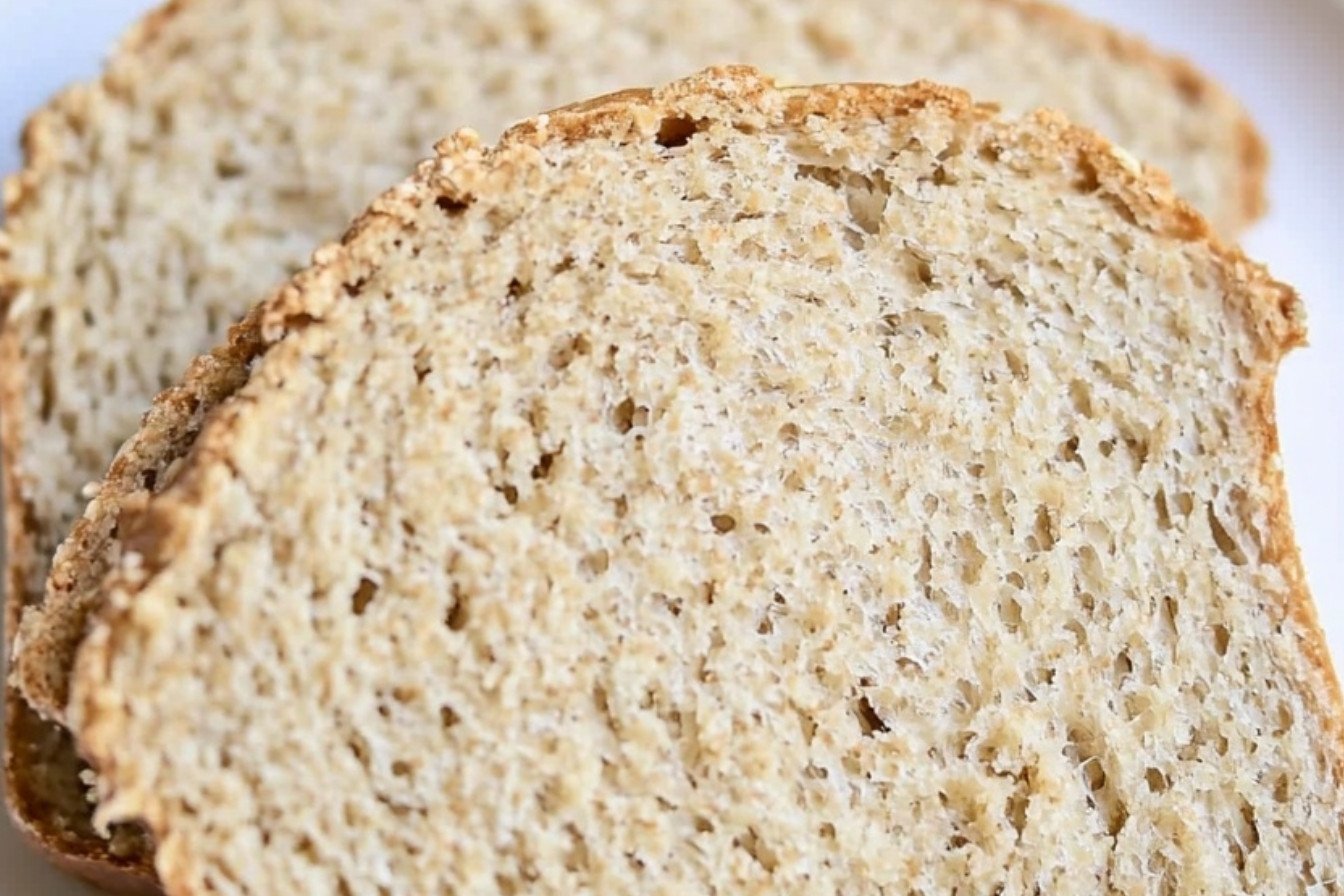
My First Time with Kamut
I first tried Kamut flour years ago. A friend gave me a small bag. I was so curious about its golden color.
I made a simple bread, just like this one. The smell filled my whole house. It was a happy, nutty smell. I knew I had found something special.
Let’s Get Our Dough Ready
Start by waking up the yeast. Stir it into warm water with honey. Watch it get all foamy. It’s like a little science experiment in your kitchen.
Then mix in the butter, flour, and salt. Now for the fun part! Knead the dough until it’s smooth. This part matters. It makes the bread soft and chewy.
A Little Patience Makes Perfect
Now we let the dough rest. Cover the bowl and walk away. Let it get big and puffy. This is the hardest part for me. I always want to peek!
While you wait, tell me something. What’s your favorite smell from the kitchen? Mine is baking bread, of course. It makes a house feel like a home.
The Secret to a Beautiful Loaf
After the dough rises, you shape it. Press it into a rectangle. Then fold it like a letter. I still laugh at that. My first loaf was a funny shape.
Roll it up and put it in your pan. Let it rise one more time. This second wait matters. It gives you that light, airy bread we all love.
Time for the Oven Magic
Bake your loaf until it’s a deep gold. Doesn’t that smell amazing? The waiting is finally over. But you must let it cool completely.
I know, it’s so hard to wait! But slicing warm bread makes it gummy. Trust me on this. Let’s take a mini-poll: do you prefer warm bread or cool, neat slices?
Why This Bread is So Good For You
Kamut is an ancient grain. It’s been around for a very long time. Fun fact: Kamut is actually a brand name for an ancient wheat called Khorasan. It has a lovely, buttery flavor.
This bread fills you up in a good way. It has more protein and fiber than regular wheat. That’s why it keeps you going all morning. What’s your go-to healthy breakfast? I’d love a slice of this with some jam.
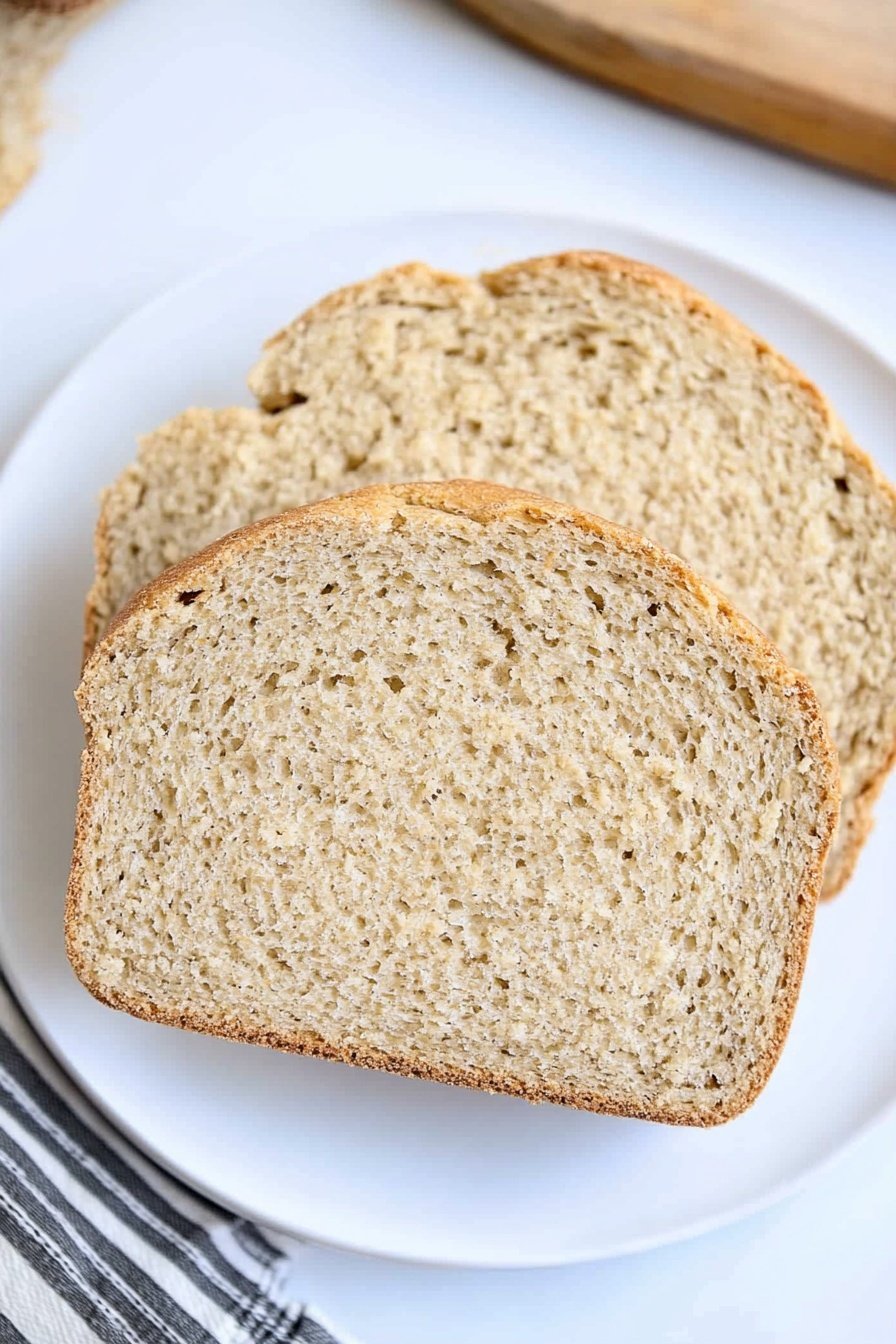
Ingredients:
| Ingredient | Amount | Notes |
|---|---|---|
| Yeast | Proofed in warm water | |
| Warm Water | For proofing yeast | |
| Honey | Used to proof the yeast | |
| Melted Butter | ||
| Kamut Flour | Main flour for the bread | |
| Salt |
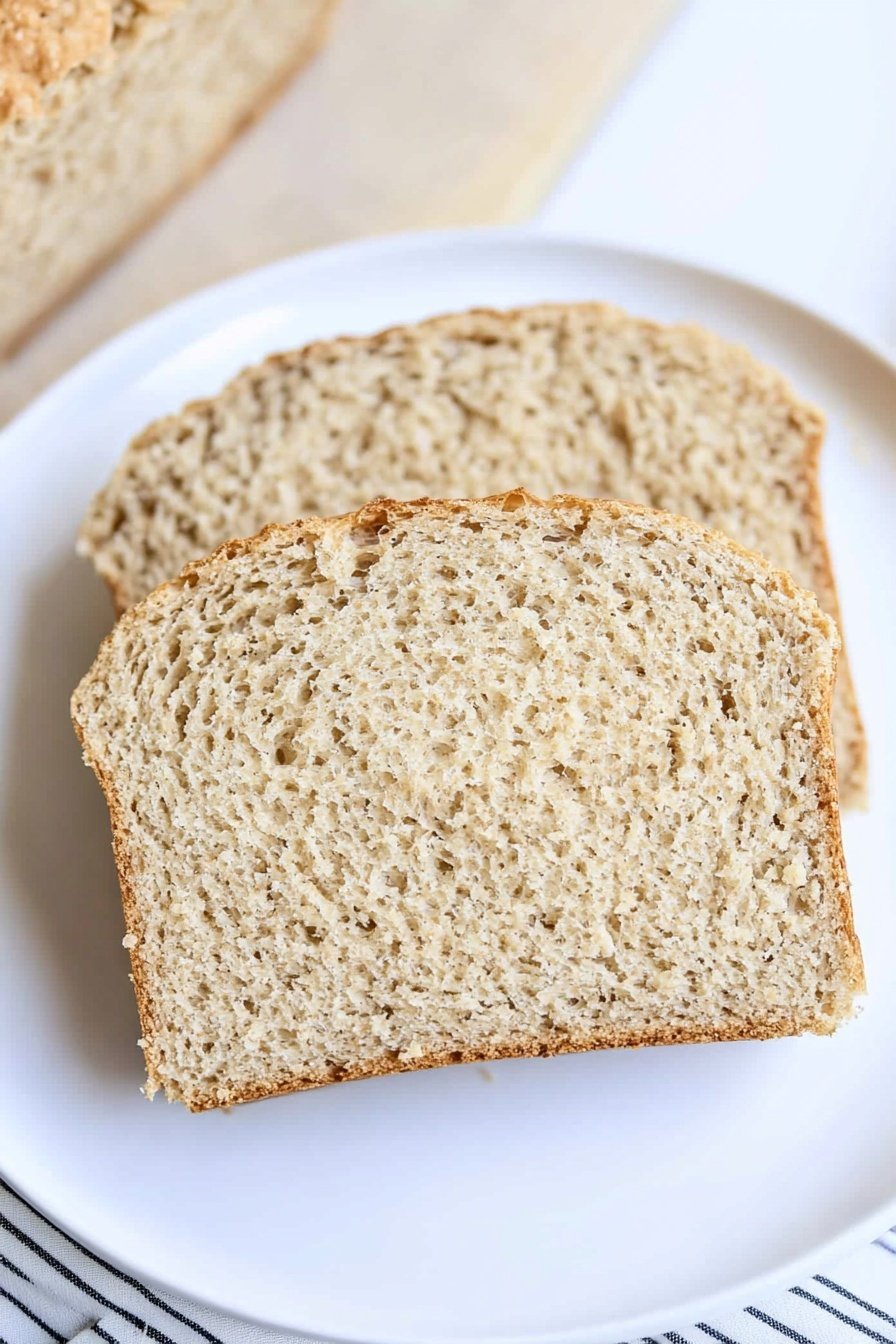
My Favorite Kamut Bread
I have always loved the smell of bread baking. It makes a house feel like a home. This Kamut bread is one of my favorites. It has a lovely, nutty taste that is so comforting.
Kamut is an ancient grain. It makes the bread golden and a little bit sweet. My grandson calls it “sunshine bread.” I still laugh at that. Let’s make a loaf together. It is easier than you think.
- Step 1: First, we wake up the yeast. Stir it into warm water with a little honey. Let it sit for a few minutes. Soon, it will get all foamy on top. Doesn’t that smell amazing? This means it is alive and ready to work.
- Step 2: Now, mix in the melted butter, kamut flour, and salt. Stir everything until it comes together. Then, it is time to knead. Push and fold the dough for ten minutes. You will feel it become smooth and stretchy. (My hard-learned tip: If the dough sticks to your hands, add just a sprinkle more flour.)
- Step 3: Put the dough back in the bowl. Cover it with a clean cloth. Let it rest in a warm spot. It needs to rise until it is double its size. This takes about an hour. I use this time to tidy up my kitchen.
- Step 4: While the dough rests, heat your oven. Set it to 375°F. Then, grease your loaf pan well. This stops the bread from sticking. I like to use a little butter for this. It gives the crust a nice flavor.
- Step 5: The dough is all puffy now! Gently press out the air. Shape it into a loose rectangle. Fold it into thirds, like you are folding a letter. Then, roll it up tightly to make a loaf shape. This part is fun, like playing with clay.
- Step 6: Place your loaf into the prepared pan. Cover it with a damp tea towel. Let it rise again for another half hour or so. It will get nice and puffy. Did you know this second rise is called proofing? What other baking words do you know? Share below!
- Step 7: Time to bake! Put the pan in the hot oven. Bake for about 40 minutes. The top will become a deep, golden brown. Your whole kitchen will smell wonderful. That smell is the best part of my day.
- Step 8: Take the beautiful loaf out of the oven. Let it cool completely on a rack. I know it is hard to wait. But slicing it warm makes it gummy. It is worth the wait, I promise.
Cook Time: 40-45 minutes
Total Time: About 3 hours
Yield: 1 lovely loaf
Category: Baking, Bread
Three Tasty Twists
This bread is wonderful on its own. But sometimes, I like to mix things up. Here are three fun ideas for your next loaf. They are all so simple and delicious.
- Herb Garden Loaf: Mix in a handful of fresh rosemary and thyme. It tastes like a summer garden.
- Honey & Sunflower Seed: Add extra honey and a cup of sunflower seeds. It is sweet and crunchy.
- Savory Cheese & Onion: Stir in some grated cheddar and dried onion flakes. Perfect for soup!
Which one would you try first? Comment below!
How to Serve Your Bread
A warm slice of bread needs good friends. I love it with a big bowl of tomato soup. A drizzle of honey on top is also a treat. Or, make the best toast you have ever had for breakfast.
For a drink, a cold glass of milk is perfect. For the grown-ups, a pale ale pairs nicely with the nutty flavor. Which would you choose tonight?
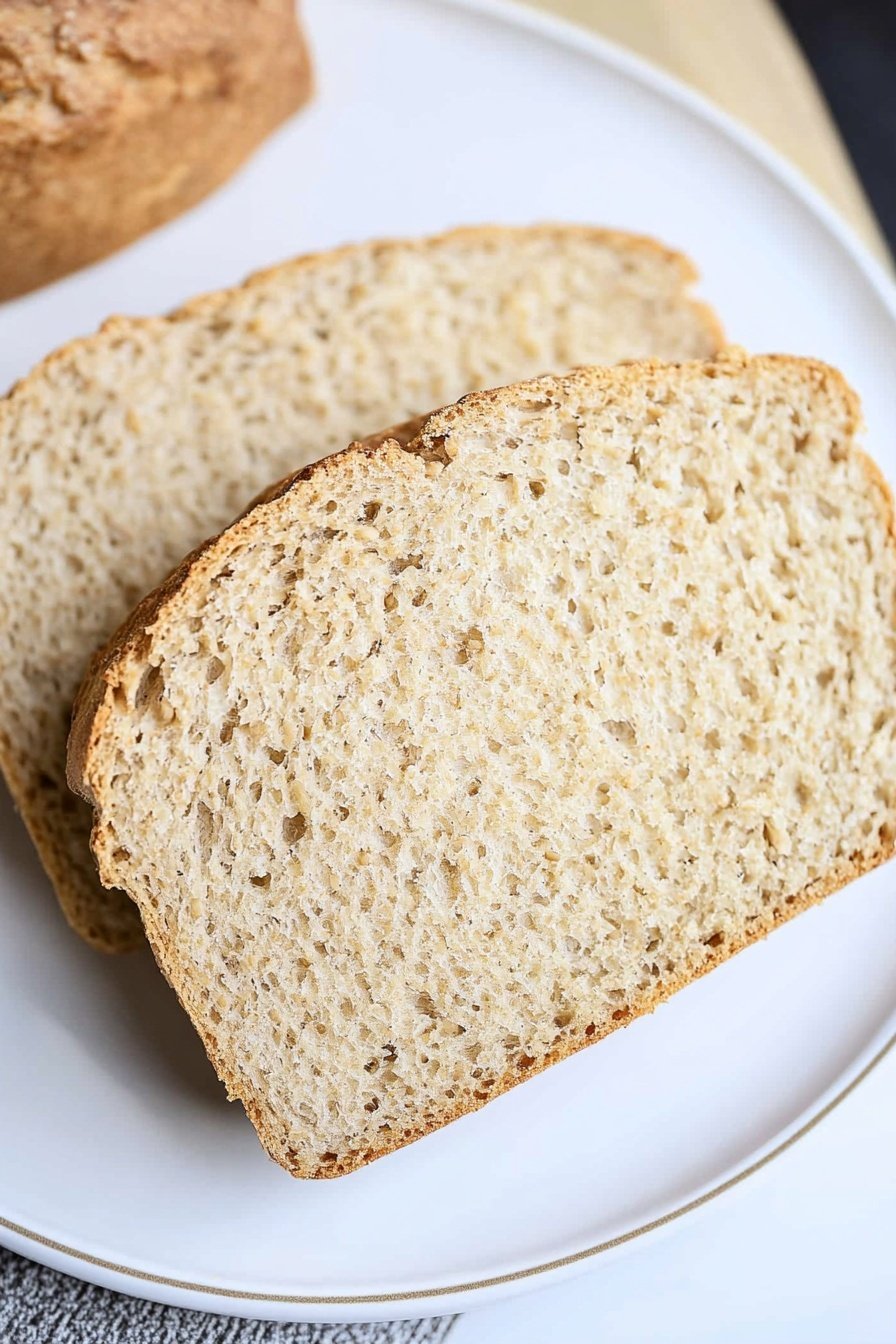
Keeping Your Sunshine Bread Fresh
Fresh bread is a daily joy. Let’s keep it that way. Once your loaf is completely cool, wrap it tightly in plastic. It will stay soft on the counter for a few days. For longer storage, I always freeze my bread. I slice it first and pop the slices in a freezer bag. This way, I can have toast anytime I want. Batch cooking matters because it saves you time. A warm kitchen and a full freezer make a happy home.
To reheat, just toast a frozen slice. It will taste like it just came out of the oven. My first time, I tried to microwave a whole loaf. It turned chewy and tough. I learned my lesson the hard way. Toasting is always the best way. Have you ever tried storing it this way? Share below!
Bread Baking Troubles and Easy Fixes
Sometimes, baking does not go as planned. Do not worry. Here are some common troubles and their easy fixes. First, if your bread is too dense, the yeast may be old. Always check the date on your yeast packet. I remember when my loaf once did not rise at all. My yeast was past its prime. Using fresh yeast matters for a light, airy loaf.
Second, if the top burns, your oven may be too hot. An oven thermometer can help you know for sure. Just place it inside to check the temperature. Third, if the dough is too sticky, do not panic. Just add a little more flour, one spoon at a time. Handling sticky dough builds your confidence. You learn to feel what the bread needs. Which of these problems have you run into before?
Your Kamut Bread Questions Answered
Q: Can I make this gluten-free? A: Kamut does have gluten, so this recipe is not gluten-free. It is an ancient wheat.
Q: Can I make the dough ahead? A: Yes, you can. Let it do its first rise in the fridge overnight.
Q: What if I don’t have kamut flour? A: You can use whole wheat flour instead. The taste will be a little different.
Q: Can I double this recipe? A: Absolutely! Just make two loaves. You can share one with a friend.
Q: Is the honey necessary? A: It helps feed the yeast. You can use maple syrup too. *Fun fact: Yeast eats the sugar and makes the bread rise!* Which tip will you try first?
Thank You for Baking With Me
I have so enjoyed our time together in the kitchen. Baking this bread with you was a real treat. I hope your home is filled with its wonderful, nutty smell. I would love to see your beautiful creation. Please share a photo of your loaf with me. Have you tried this recipe? Tag us on Pinterest! Seeing your bakes makes my day. Happy cooking!
—Fiona Brooks.
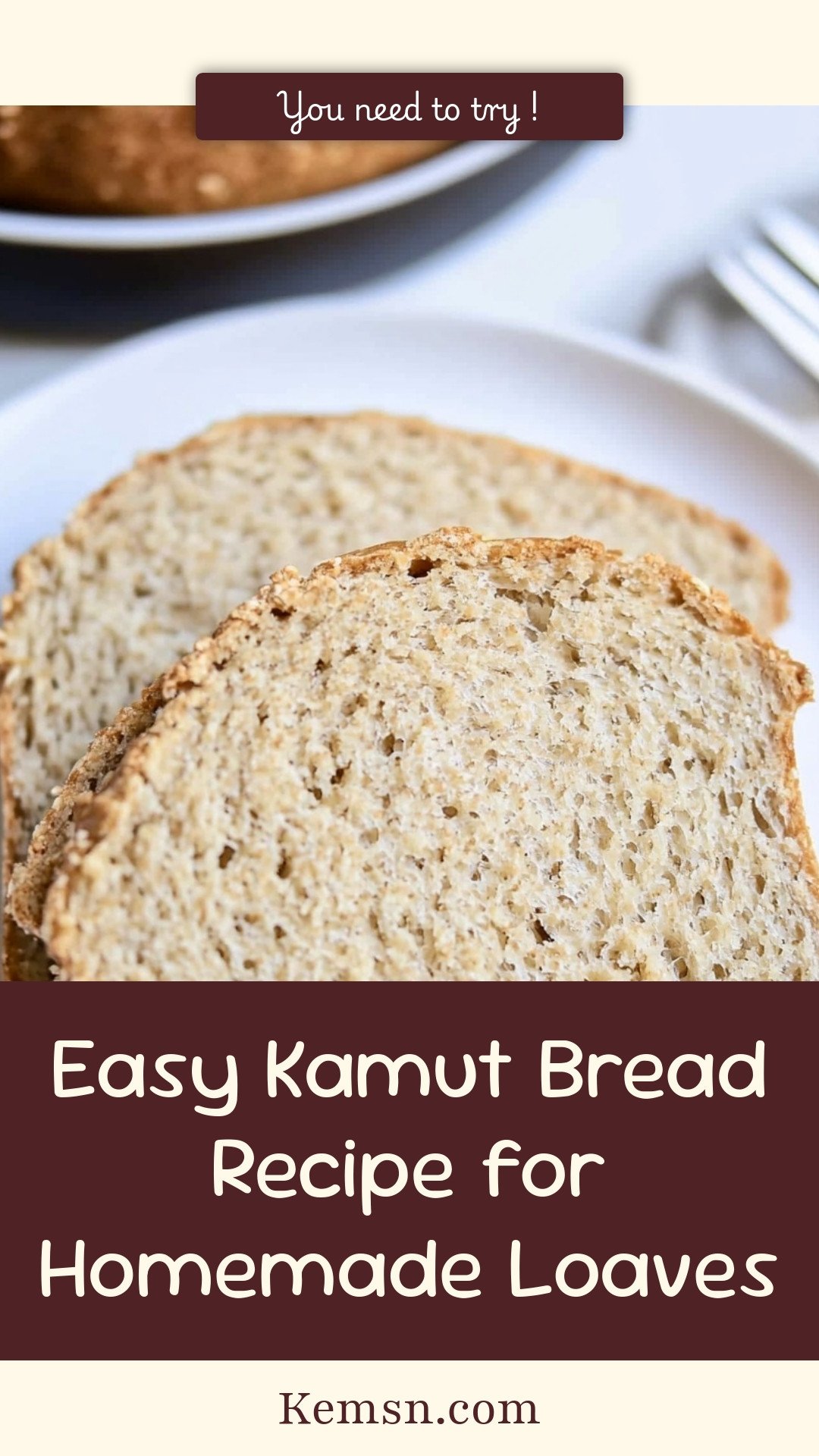
Easy Kamut Bread Recipe for Homemade Loaves
Description
A simple and satisfying recipe for baking delicious, homemade Kamut bread from scratch.
Ingredients
Instructions
- Proof the yeast by stirring it into the warm water with the honey. Let the mixture stand for a few minutes until it becomes frothy.
- Incorporate the melted butter, kamut flour, and salt into the yeast mixture. Mix thoroughly, then knead the dough for 10-15 minutes until it is smooth, elastic, and pulls away from the sides of the bowl.
- Cover the bowl with an airtight lid or plastic wrap and let the dough rise in a warm place for about one hour, or until it has doubled in size.
- As the dough rises, preheat your oven to 375°F (190°C) and grease a loaf pan or line it with parchment paper.
- Turn the risen dough out onto a lightly floured surface. Gently press it into a loose rectangle, fold it into thirds like a letter, and then roll it up to form a loaf.
- Place the shaped dough seam-side down into the prepared pan. Cover it with a damp tea towel and let it rise again for 30-60 minutes, until doubled.
- Bake for 40-45 minutes, or until the top is a deep golden brown.
- Transfer the loaf to a wire rack and allow it to cool completely before slicing.
Notes
- For best results, ensure your water is warm but not hot to the touch to properly activate the yeast without killing it.






Leave a Reply